
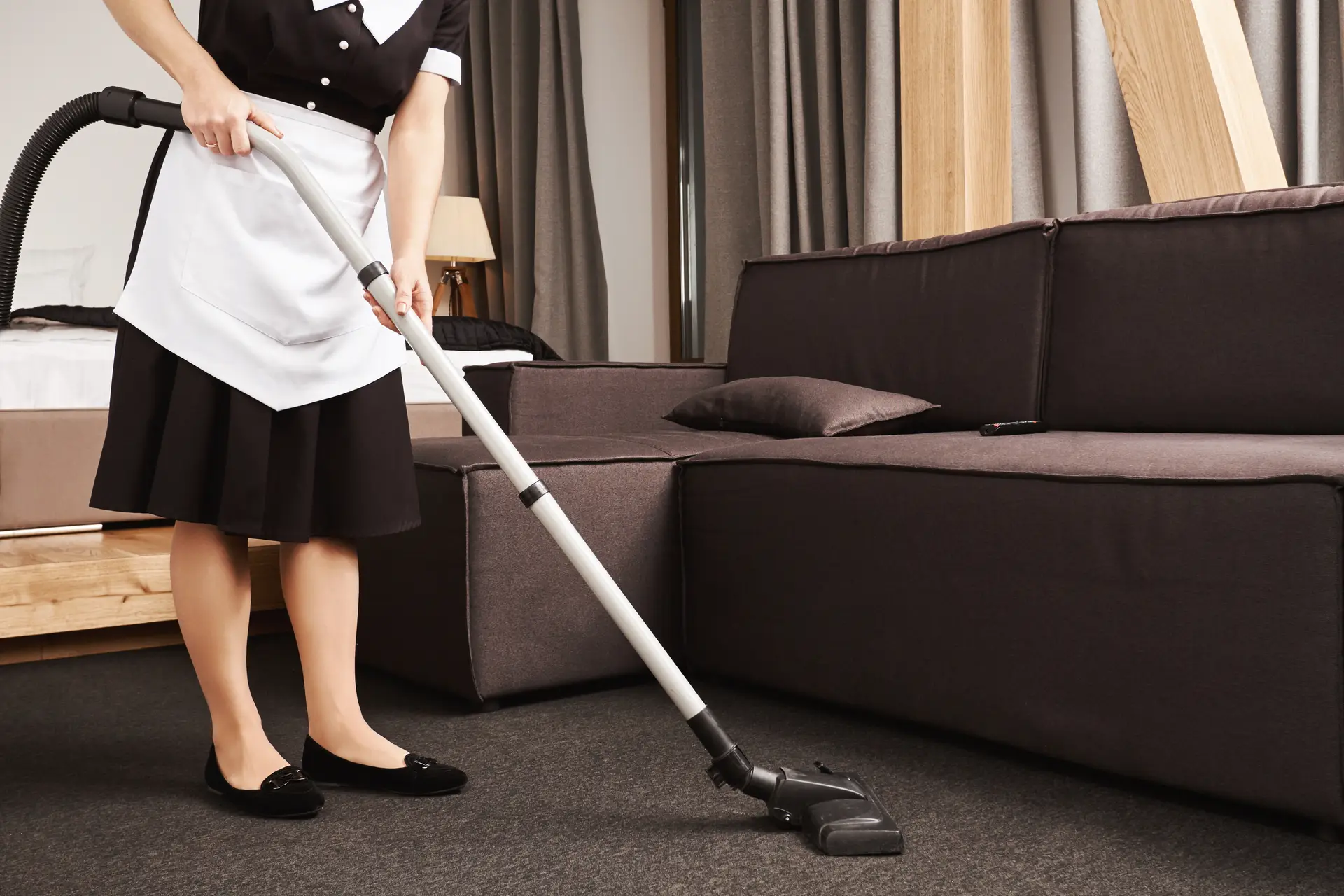
In today’s competitive hospitality market, hygiene in hotel industry is no longer just a basic requirement-it is a key factor that defines guest satisfaction and brand reputation. While luxury design and service attract guests initially, what truly shapes their experience is cleanliness, safety, and consistency.
Modern travelers are highly observant. They notice room cleanliness, hygiene in bathrooms, quality of linens, and overall maintenance standards. Even small inconsistencies can affect online reviews and future bookings. This makes maintaining strong hotel hygiene standards essential for every hospitality business.
This case study explains how a resort improved its guest experience and online reviews by fixing hygiene compliance issues through better hospitality procurement and supply chain management.
The Challenge: Inconsistent Hygiene in Guest Experience
A luxury resort located in a popular tourist destination was known for its architecture, service, and location. However, despite offering premium hospitality, the management began receiving mixed guest reviews.
Many guests appreciated the overall experience, but some pointed out small hygiene-related concerns such as:
- inconsistencies in room cleanliness
- varying quality of bathroom supplies
- delays in housekeeping replenishment
- uneven hygiene standards across areas
These issues were not major failures, but they impacted the overall guest experience. In the digital age, even minor hygiene concerns can influence a hotel’s online reputation.
The Root Cause: Supply Chain Issues in Hospitality Procurement
After analyzing operations, the resort discovered that the problem was not with staff performance but with their supply chain.
The resort had been sourcing hygiene-related products from multiple vendors. While this seemed cost-effective initially, it created several issues:
Inconsistent Product Quality
Different suppliers provided products of varying standards, making it difficult to maintain consistent hygiene levels.
Lack of Compliance Standards
Not all vendors followed the same hotel hygiene standards, increasing risks in operations.
Delivery Delays

Irregular supply schedules caused shortages, forcing teams to make last-minute procurement decisions.
Operational Complexity
Managing multiple vendors increased workload for procurement teams and reduced efficiency.
This highlighted how hygiene in the hotel industry is directly influenced by procurement strategy.
Strategic Solution: Improving Hygiene Through Procurement
The resort implemented a structured approach to improve hygiene and consistency.
Supplier Consolidation
The resort reduced the number of vendors and partnered with reliable suppliers. This ensured consistent product quality and simplified procurement processes.
Compliance Verification
Suppliers were evaluated based on:
- hygiene standards
- regulatory compliance
- product quality
- delivery reliability
Only suppliers meeting strict criteria were approved.
Standardized Procurement System
The resort introduced clear procurement policies that defined:
- approved suppliers
- product specifications
- quality benchmarks
- delivery timelines
This ensured consistency across all departments.
Better Supply Chain Coordination
Improved coordination between procurement and operations ensured that inventory levels remained stable and shortages were minimized.
Results: Improved Guest Experience and Reviews

After implementing these changes, the resort experienced significant improvements.
Better Guest Reviews
Guests began highlighting:
- improved cleanliness
- consistent hygiene standards
- well-maintained rooms
This positively impacted online ratings.
Stronger Brand Reputation
Maintaining consistent hygiene in the hotel industry helped strengthen the resort’s position as a reliable luxury destination.
Operational Efficiency
Simplified procurement processes reduced complexity and improved team productivity.
Increased Guest Trust
Consistent hygiene standards built trust among guests, encouraging repeat visits.
Click to read more blogs: Hotel Batch Quality Control: Tools to Eliminate Inconsistency
Why Hygiene in The Hotel Industry Matters More Than Ever

In modern hospitality, hygiene is directly linked to brand perception.
Guests expect:
- safe and clean environments
- consistent standards across properties
- reliable service quality
Strong hotel hygiene standards ensure that guests feel comfortable and confident during their stay. Hotels that fail to maintain hygiene risk losing customer trust, while those that prioritize it gain a competitive advantage.
The Role of Hospitality Procurement in Hygiene Standards

Hospitality procurement plays a critical role in maintaining hygiene.
Reliable sourcing ensures:
- consistent product quality
- compliance with safety regulations
- stable supply chains
- reduced operational risks
When hotels work with trusted suppliers, they can maintain high hygiene standards across all operations.
Conclusion
Maintaining hygiene in hotel industry is essential for delivering a consistent and high-quality guest experience. This case study shows that even small hygiene inconsistencies can impact reviews and brand reputation. By improving procurement strategies, standardizing suppliers, and focusing on compliance, hotels can achieve better operational efficiency and stronger guest trust. Ultimately, hygiene is not just a process-it is a foundation for long-term success in the hospitality industry.
Hygiene in hotel industry refers to maintaining cleanliness, safety, and sanitation standards across all hotel operations to ensure guest comfort and safety.
Hygiene directly affects guest satisfaction, trust, and online reviews, making it a critical factor in hospitality success.
Hospitality procurement ensures that hotels source high-quality, compliant products that support consistent hygiene standards.
Hotel hygiene standards include cleanliness protocols, safe food handling, and proper maintenance of rooms and facilities.