

In the modern hospitality industry, food safety is not just an operational requirement it is a direct reflection of brand trust and guest experience. Every dish served in a hotel represents quality, consistency, and reliability. However, many businesses unknowingly make hotel food sourcing mistakes during procurement, which can expose them to serious hygiene and contamination risks.
These risks are not limited to food quality alone. Poor sourcing decisions can impact guest satisfaction, regulatory compliance, and even long-term brand reputation. In today’s digital world, a single incident related to food contamination can quickly spread across reviews and social platforms, damaging the image of a hospitality brand globally.
Understanding these hotel food sourcing mistakes is essential for building a safe and reliable supply chain while maintaining strong hospitality food safety standards.
Table of Contents
Why Food Sourcing Mistakes Happen in Hospitality Procurement

Food sourcing in hospitality is complex because it involves multiple variables-suppliers, logistics, storage conditions, and compliance requirements. Many procurement teams focus primarily on pricing and availability, often overlooking critical aspects such as traceability and hygiene standards.
Without a structured hospitality procurement system, sourcing decisions can become inconsistent across properties. This leads to variations in food quality, increased contamination risks, and operational inefficiencies.
To avoid these issues, hotels must treat procurement as a strategic function rather than a transactional activity.
7 Costly Hotel Food Sourcing Mistakes That Risk Contamination

Choosing Suppliers Only Based on Price
One of the most common hotel food sourcing mistakes is selecting suppliers solely based on cost. While budget management is important, focusing only on price can lead to compromised hygiene standards and inconsistent product quality.
Low-cost suppliers may lack proper quality control processes, resulting in unsafe food handling practices. Hotels that prioritize price over reliability often face long-term risks that outweigh short-term savings.
Ignoring Supply Chain Traceability
Traceability is a critical component of hospitality food safety. Without clear information about the origin and handling of food products, hotels cannot effectively manage contamination risks.
When issues arise, lack of traceability makes it difficult to identify the source of the problem. This can delay corrective action and increase the impact on operations.
Overlooking Storage and Transportation Conditions
Even high-quality food products can become unsafe if storage and transportation conditions are not properly managed. Temperature control, packaging, and handling procedures play a vital role in maintaining food safety.
Poor logistics practices can lead to contamination, spoilage, and inconsistent product quality across hotel locations.
Working with Too Many Unverified Vendors
Managing multiple suppliers without proper verification is another major hotel food sourcing mistake. Different vendors often follow different hygiene and processing standards, which creates inconsistencies in food quality.
This lack of standardization can affect guest experience and increase operational risks.
Ignoring Food Safety Certifications

Compliance is essential in maintaining strong hospitality food safety standards. Suppliers without certifications may not follow regulated hygiene practices, increasing the risk of contamination.
Hotels must ensure that suppliers meet both local and international food safety requirements.
Failing to Conduct Regular Quality Checks
Even reliable suppliers require ongoing monitoring. Without regular quality checks, changes in production or handling processes can introduce risks.
Continuous evaluation helps maintain consistency and ensures that sourcing standards are upheld.
Treating Procurement as a Transaction
One of the biggest hotel food sourcing mistakes is treating procurement as a one-time transaction rather than a long-term partnership.
Transactional relationships often lead to inconsistent supply chains and lack of accountability. In contrast, strong supplier partnerships improve reliability and product quality.
click to read more: Hotel Linen Replacement Costs: Reduce Waste & Protect Profit
Why Hygiene-Focused Sourcing Matters
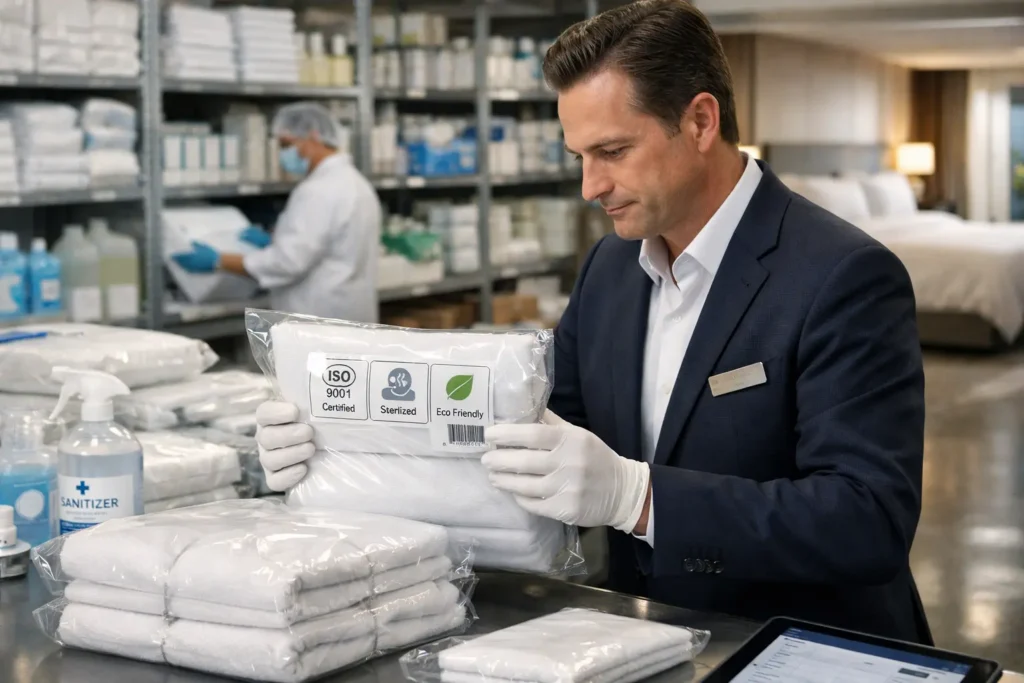
In today’s hospitality environment, guests expect more than just good food-they expect safety, consistency, and transparency. Hotels that prioritize hygiene-focused sourcing not only protect guest health but also strengthen their brand reputation.
A strong sourcing strategy ensures that food quality remains consistent across all properties, regardless of location. This is especially important for luxury hotels and international chains that rely on standardized guest experiences.
Conclusion
Food sourcing is no longer just about availability or cost-it is about trust, safety, and consistency. Hotels that understand and avoid common hotel food sourcing mistakes can build stronger procurement systems and protect their brand reputation. By focusing on reliable suppliers, traceability, and structured hospitality procurement practices, hospitality businesses can ensure safe and consistent food quality across every property.
FAQs
Hotel food sourcing mistakes are procurement errors that increase contamination risks, reduce food quality, and create inconsistencies in hospitality operations.
Hospitality food safety is essential to protect guest health, maintain brand reputation, and comply with regulatory standards.
Hotels can improve sourcing by working with certified suppliers, ensuring traceability, and maintaining proper storage and logistics standards.
Multiple unverified suppliers can create inconsistencies in food quality and increase contamination risks.