

In today’s hospitality environment, maintaining hotel hygiene standards is not just about cleanliness it is about consistency, safety, and trust. Guests expect the same level of hygiene across every touchpoint, from rooms and linens to food service and amenities. This expectation directly impacts the overall guest experience and brand reputation.
However, ensuring hygiene in hotel operations goes far beyond internal housekeeping. It depends heavily on how products are sourced, verified, and delivered. Many hospitality businesses overlook this connection, which leads to inconsistencies in quality and compliance.
This is where structured hospitality procurement and reliable exporters play a critical role. They ensure that every product entering the hotel meets strict hygiene and regulatory standards before it even reaches the property.
Why Hotel Hygiene Standards Matter in Hospitality
In modern hygiene in the hotel industry, guest expectations have significantly evolved. Cleanliness is no longer a basic requirement; it is a deciding factor for bookings, reviews, and repeat visits.
Even minor lapses in hygiene can result in:
- negative guest reviews
- loss of brand trust
- regulatory issues
- operational disruptions
Hotels that maintain consistent hygiene standards build stronger guest confidence and long-term loyalty.
The Role of Exporters in Maintaining Hotel Hygiene Standards

Reliable exporters are not just suppliers. They act as structured sourcing partners who ensure that products meet compliance and safety requirements at every stage.
Their role includes:
- verifying supplier quality
- ensuring regulatory compliance
- maintaining product consistency
- managing logistics efficiently
This structured process helps hotels maintain stable hygiene standards across all operations.
Understanding Hotel Requirements
The process begins with understanding the hotel’s operational and compliance needs. Every hotel has different standards depending on brand positioning, location, and service level.
Exporters evaluate:
- product specifications
- hygiene requirements
- compliance regulations
- operational workflows
This ensures alignment between sourcing and hotel expectations.
Supplier Verification and Qualification
One of the most critical steps in maintaining hotel hygiene standards is selecting the right suppliers.
Reliable exporters carefully verify manufacturers based on the following:
- production capabilities
- hygiene certifications
- quality control systems
- compliance with global standards
This reduces the risk of inconsistent or non-compliant products entering the supply chain.
Quality Control and Hygiene Checks

Before shipment, products go through strict inspection processes. These checks ensure that all items meet required hygiene and safety standards.
This stage typically includes:
- raw material verification
- production monitoring
- product testing
- hygiene compliance checks
This step prevents defective or unsafe products from reaching hotel operations.
Compliance Documentation
International hospitality sourcing requires accurate documentation. Exporters ensure all compliance papers are in place to avoid delays or regulatory issues.
These include:
- certification documents
- compliance reports
- regulatory approvals
- safety documentation
Proper documentation ensures smooth import processes and accountability.
Secure Packaging and Transportation
Maintaining hygiene does not end at production. It must be preserved during transit.
Exporters ensure:
- hygienic packaging materials
- contamination protection
- moisture control
- safe handling during shipping
This ensures that products arrive in the same condition as they were manufactured.
Logistics and Delivery Coordination
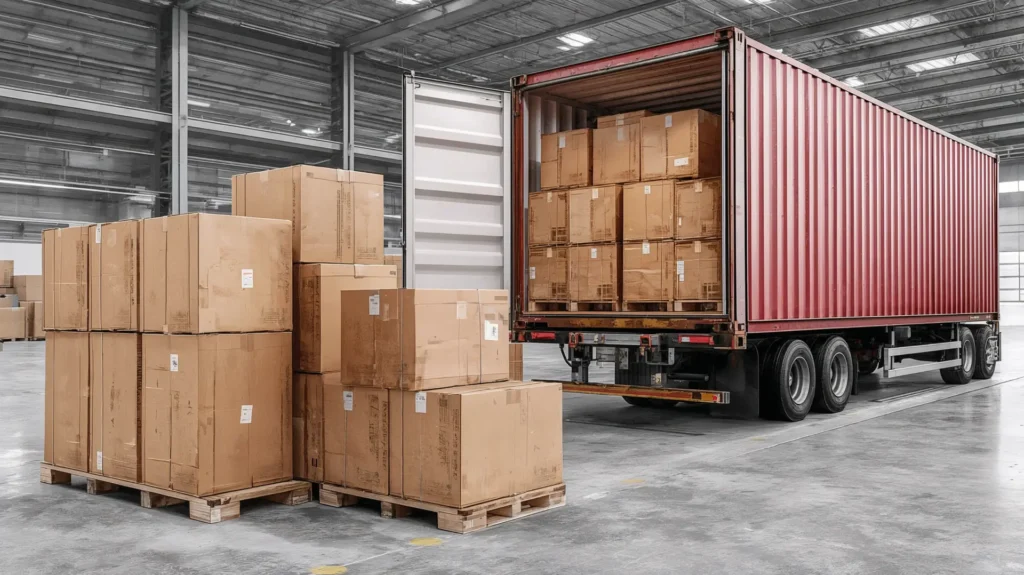
Efficient logistics planning is essential for uninterrupted hotel operations. Delays can affect housekeeping, food service, and overall guest experience.
Exporters manage:
- shipping timelines
- customs clearance
- documentation handling
- real-time tracking
This ensures consistent supply without operational disruptions.
Long-Term Supply Consistency
Consistency is one of the most important factors in hygiene in hotel industry. Hotels require uniform quality across all properties and departments.
Exporters achieve this through:
- long-term supplier partnerships
- standardized sourcing
- consistent production batches
This helps hotels maintain stable hygiene standards over time.
Continuous Monitoring and Improvement

The hospitality industry evolves constantly, with new hygiene regulations and compliance requirements.
Reliable exporters continuously
- update compliance processes
- improve quality standards
- monitor supplier performance
This ensures that hotels stay aligned with global hygiene expectations.
Click to read more blogs: Best Procurement & Supply Chain Tools for Hotels
Why Structured Procurement Improves Guest Experience
A strong hospitality procurement system directly impacts guest satisfaction. When hotels receive consistent, high-quality products, it becomes easier to maintain hygiene across all departments.
This leads to:
- better cleanliness standards
- improved service consistency
- higher guest satisfaction
- stronger online reviews
Ultimately, hygiene and procurement are directly linked to how guests perceive a hotel brand.
Conclusion
Maintaining hotel hygiene standards is not just about internal operations it is about building a reliable supply chain that supports consistency, compliance, and safety. Hotels that work with structured exporters and adopt strong procurement strategies can ensure that every product meets global hygiene requirements. This not only improves operational efficiency but also strengthens guest trust and brand reputation. In the hospitality industry, a consistent guest experience always begins with consistent hygiene standards.
FAQs
Hotel hygiene standards refer to the cleanliness, safety, and compliance practices followed across all hotel operations to ensure guest well-being.
They directly impact guest experience, online reviews, and brand reputation while ensuring regulatory compliance.
Exporters verify suppliers, ensure compliance, manage quality checks, and maintain consistent supply of hygienic products.
Strong hospitality procurement ensures consistent product quality, which directly improves cleanliness and overall guest satisfaction.