
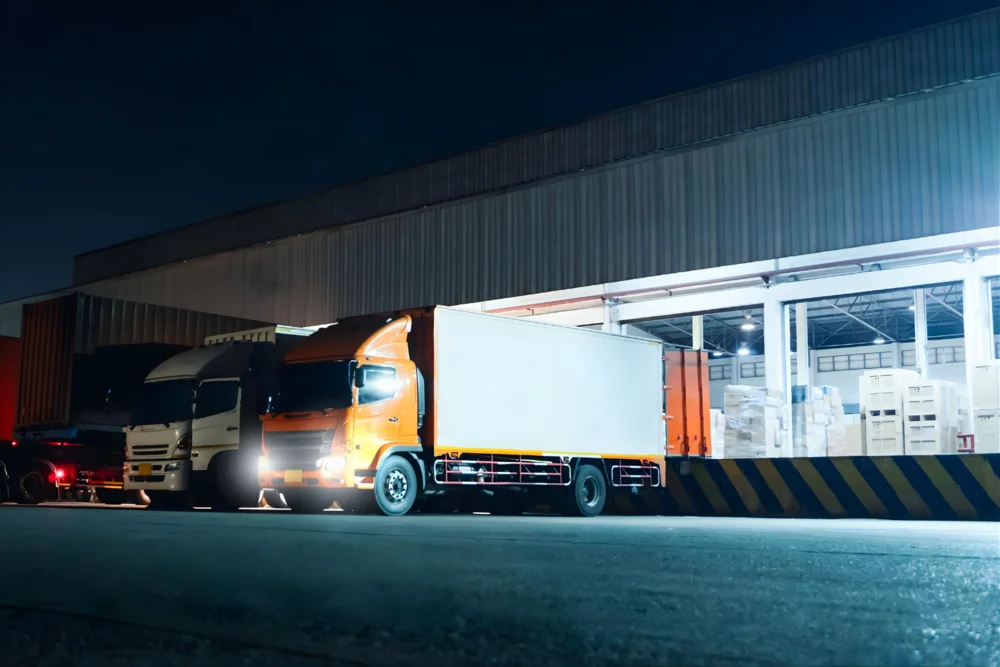
In the hospitality industry, hotel supply chain delays can quietly damage profitability, especially during peak seasons. While high occupancy and premium pricing create strong revenue opportunities, operational disruptions caused by delayed supplies can quickly reduce margins and affect the guest experience.
Hotels depend on timely delivery of essential products such as linens, amenities, food supplies, and operational items. When deliveries are delayed, procurement teams are forced to react quickly, often making costly decisions. This is why modern hospitality procurement is shifting from price-focused sourcing to reliability-focused partnerships.
Understanding how supply delays impact operations and unit economics is essential for building a resilient hospitality business.
Table of Contents
Why Peak Season Increases Supply Chain Risks
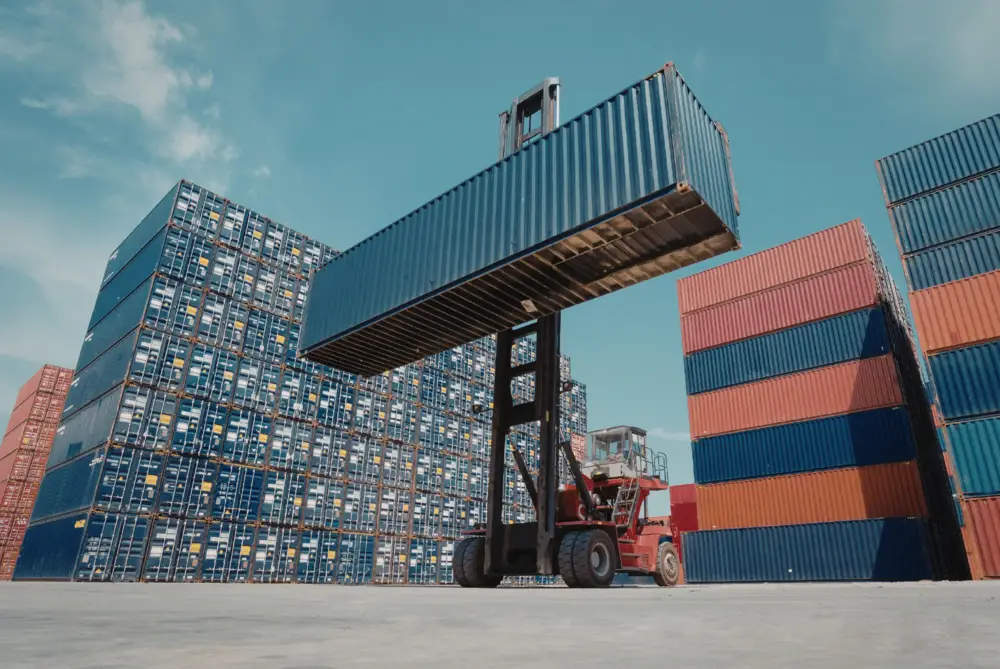
Peak season is the most critical period for hotels. Occupancy levels rise significantly, and operational demand increases across all departments.
During this time, even a small delay in supply can create major disruptions. Hotels operate at near full capacity, leaving no room for inventory shortages or inconsistencies.
When hotel supply chain delays occur during peak demand, hotels may face:
- inventory shortages
- operational disruptions
- service inconsistencies
- increased procurement pressure
This makes supply chain reliability a key factor in maintaining smooth operations.
The Hidden Cost of Hotel Supply Chain Delays

Many hotels focus on reducing procurement costs by choosing lower-priced suppliers. However, delayed deliveries often create hidden expenses that are far greater than initial savings.
When supply chains fail, hotels may experience increased costs due to emergency sourcing and operational inefficiencies.
Emergency procurement is one of the biggest challenges. Hotels must purchase products at higher prices to maintain operations, which affects unit economics.
Additionally, logistics costs may increase when hotels need expedited shipping or last-minute arrangements.
These hidden costs show that hotel supply chain delays are not just operational issues they are financial risks.
How Delays Impact Guest Experience

The guest experience is directly influenced by product availability and quality. Guests expect consistency in amenities, comfort, and service.
When supply delays occur, hotels may need to substitute products or reduce service quality. Even small changes can be noticeable to guests.
For example, lower-quality amenities or missing items can affect how guests perceive the brand. In luxury hospitality, consistency is critical.
Negative experiences often lead to poor reviews, which can impact future bookings and brand reputation.
The Role of Reliable Exporters in Hospitality
Reliable exporters play a key role in preventing supply chain disruptions. They ensure that products are delivered on time and meet quality standards.
Experienced export partners focus on:
- advance production planning
- strong supplier networks
- efficient logistics coordination
- compliance with regulations
- proactive communication
These capabilities allow hotels to maintain consistent supply and avoid last-minute procurement challenges.
Reliable exporters act as strategic partners rather than just suppliers, supporting long-term procurement goals.
How Reliable Supply Chains Improve Profitability
Stable supply chains directly improve hotel unit economics. When deliveries are predictable, hotels can manage inventory more efficiently and reduce unnecessary costs.
Hotels benefit from:
- lower emergency procurement expenses
- reduced operational disruptions
- better inventory planning
- improved cost control
Reliable sourcing helps hotels maintain profitability while delivering consistent service.
Strategic Procurement Approach for Hotels
Hotels that succeed in managing supply chain risks follow a structured procurement strategy.
They focus on planning ahead rather than reacting to problems. This includes forecasting demand, aligning procurement timelines, and working with trusted suppliers.
Building long-term relationships with reliable exporters ensures consistent quality and delivery.
Instead of choosing suppliers based only on price, successful hotels prioritize reliability, consistency, and supply chain performance.
This approach reduces risk and strengthens overall operations.
Why Long-Term Supplier Partnerships Matter
Long-term partnerships provide stability in procurement operations. Hotels working with trusted suppliers benefit from better service, predictable delivery timelines, and improved communication.
These partnerships allow suppliers to understand hotel requirements and plan production accordingly.
Over time, this creates a more efficient and reliable supply chain that supports business growth.
click to read more: On-Time Delivery: The Costly Mistake Hotels Keep Making
The Competitive Advantage of Reliable Supply Chains

In hospitality, consistency is a key differentiator. Hotels that maintain stable supply chains can deliver a better guest experience and build stronger brand loyalty.
Reliable procurement systems allow hotels to focus on service quality rather than operational challenges.
This creates a competitive advantage, especially during peak seasons when demand is high and expectations are even higher.
Conclusion
In today’s hospitality environment, hotel supply chain delays are more than operational challenges they are direct threats to profitability and guest satisfaction. Hotels that prioritize reliable sourcing and strong supplier partnerships can avoid costly disruptions and maintain consistent service quality. By focusing on proactive procurement strategies and working with experienced exporters, hospitality businesses can protect their unit economics and build long-term success. In an industry where consistency defines excellence, reliable supply chains are essential.
FAQs
Hotel supply chain delays occur when essential products are not delivered on time, affecting operations and service quality.
They increase costs through emergency procurement, logistics expenses, and operational inefficiencies.
They ensure timely delivery, consistent quality, and stable supply chains, reducing procurement risks.
Hotels can prevent delays by planning ahead, working with reliable suppliers, and building strong procurement strategies.