

In the modern hospitality industry, hospitality supply chain statistics reveal a powerful truth: operational success depends heavily on supply chain reliability. While guests experience comfort, service, and luxury, what they do not see is the complex system working behind the scenes to ensure everything runs smoothly.
From linens and amenities to food and décor, every product must arrive on time and meet consistent quality standards. When supply chains fail, the impact is immediate, affecting operations, increasing costs, and damaging the guest experience.
Hotels that rely on structured hospitality procurement systems and standardized sourcing strategies are better equipped to handle these challenges. Understanding key statistics helps hotel leaders make smarter sourcing decisions and build more reliable operations.
Table of Contents
The Reality of Supply Chain Disruptions in Hospitality

Supply chain disruptions have become one of the most pressing challenges in hospitality. Hotels depend on a wide range of products across different departments, and even a minor delay can affect operations.
Recent studies show that over 70% of hotels have faced supply disruptions due to logistics delays, supplier inconsistency, and lack of structured sourcing systems. These disruptions often lead to last-minute procurement decisions, which increase costs and reduce quality consistency.
For multi-property hotel chains, the challenge becomes even greater. Without standardized sourcing, different locations may receive varying product quality, leading to inconsistencies that guests quickly notice.
Why Brand Consistency Matters More Than Ever
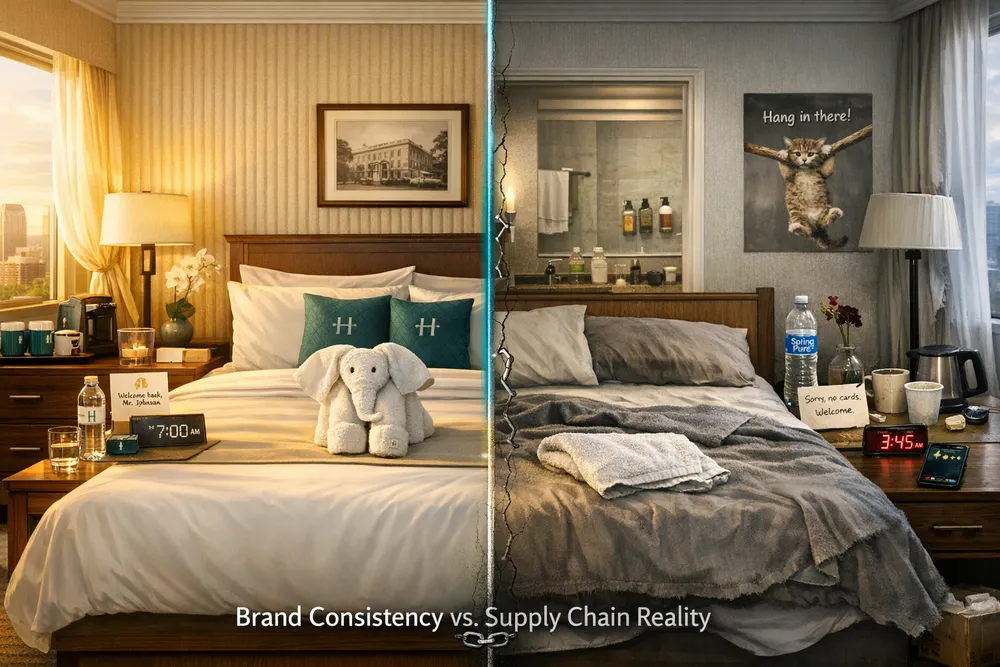
Brand consistency is the foundation of luxury hospitality. Guests expect the same experience across all locations, regardless of geography.
Even small inconsistencies such as differences in linen quality or variations in amenities can affect perception. Research indicates that over 80% of repeat guests expect identical service standards across properties.
This means procurement teams play a critical role in maintaining brand identity. By focusing on hotel supply chain management and standardized sourcing, hotels can deliver consistent experiences that build trust and loyalty.
Key Hospitality Supply Chain Statistics Hotels Should Know
Understanding data-driven insights helps procurement teams improve decision-making.
Industry research highlights several important trends.
Supply disruptions can increase operational costs by up to 25%. This is mainly due to emergency sourcing, higher logistics costs, and inconsistent supplier pricing.
Around 65% of procurement leaders now prefer long-term supplier partnerships. These partnerships provide better quality control, stable pricing, and reliable delivery timelines.
Hotels that adopt centralized sourcing systems report up to 40% fewer supply disruptions. Centralization allows better control over product specifications and batch consistency.
Additionally, over 75% of operational complaints in hotels are linked to supply-related issues. This clearly shows how closely supply chain performance is tied to the guest experience.
Finally, optimized procurement strategies can reduce operational costs by up to 18% annually. This demonstrates the financial impact of effective sourcing systems.
The Role of Standardized Sourcing in Hospitality

One of the most effective solutions to supply inconsistency is standardized sourcing.
Standardized sourcing ensures that products across all hotel properties meet the same specifications, quality standards, and batch consistency.
Batch standardization is particularly important for maintaining uniformity. When products are sourced from the same production batches, hotels can ensure identical quality across all locations.
Seasonal procurement planning is another key factor. Hotels that forecast demand and plan sourcing in advance avoid shortages and reduce reliance on emergency suppliers. Together, these strategies create a stable supply system that supports both operational efficiency and consistent guest experience.
Why Reliable Supply Partners Are Essential
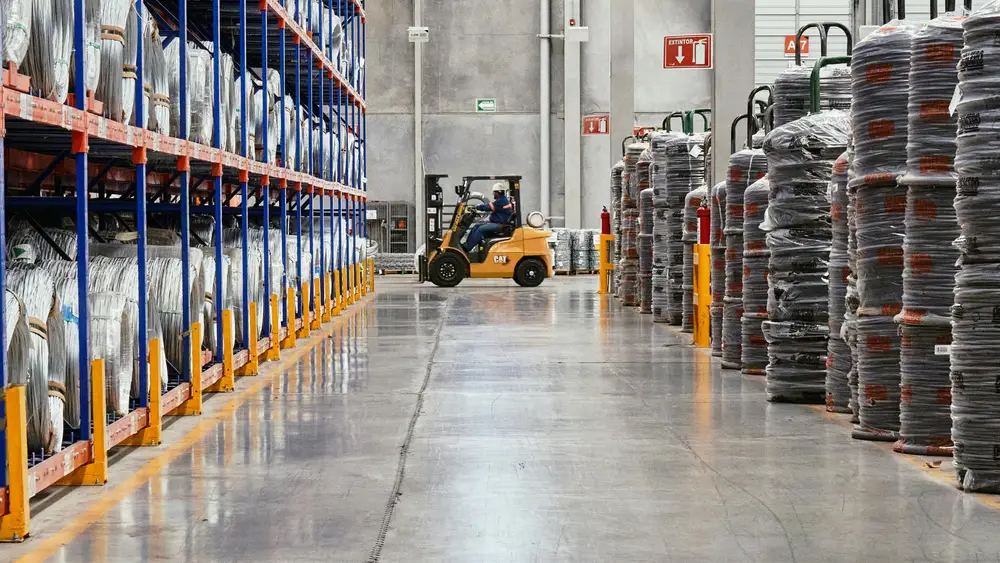
As hospitality operations become more global, managing supply chains becomes increasingly complex.
Hotels need partners who can ensure:
- consistent product quality
- reliable logistics
- compliance with international standards
- timely delivery schedules
This is why many hotels are moving toward strategic sourcing partnerships rather than managing multiple vendors.
Experienced export partners play a crucial role in simplifying procurement. They handle supplier coordination, quality control, logistics, and compliance, allowing hotels to focus on operations.
Reliable partners reduce risk and improve overall hospitality procurement performance.
click to read more: Hotel Amenities Guest Loyalty: Why Room Size Isn’t Enough
The Future of Hospitality Procurement
The future of hospitality procurement lies in structured, data-driven sourcing strategies.
Hotels are shifting from reactive purchasing to proactive planning. Instead of focusing only on cost, procurement teams are prioritizing reliability, consistency, and long-term partnerships.
Modern procurement strategies emphasize:
- centralized sourcing systems
- vendor consolidation
- supply chain visibility
- strategic partnerships
Hotels that adopt these approaches are better positioned to handle supply chain challenges and deliver consistent service.
Conclusion
The insights from hospitality supply chain statistics make one thing clear: supply chain reliability is essential for operational success. Hotels that invest in standardized sourcing, reliable suppliers, and structured procurement systems can maintain consistency even during challenging conditions. By focusing on long-term strategies rather than short-term cost savings, hospitality businesses can improve efficiency, protect brand reputation, and deliver exceptional guest experiences. In today’s competitive market, a strong supply chain is not just support it is a strategic advantage.
FAQs
Hospitality supply chain statistics are data insights that show how supply chains impact hotel operations, costs, and guest experience.
Supply chains ensure consistent product availability, which directly affects service quality and guest satisfaction.
Hotels can reduce disruptions by using standardized sourcing, working with reliable suppliers, and planning procurement in advance.
Standardized sourcing ensures consistent product quality and specifications across all hotel properties.