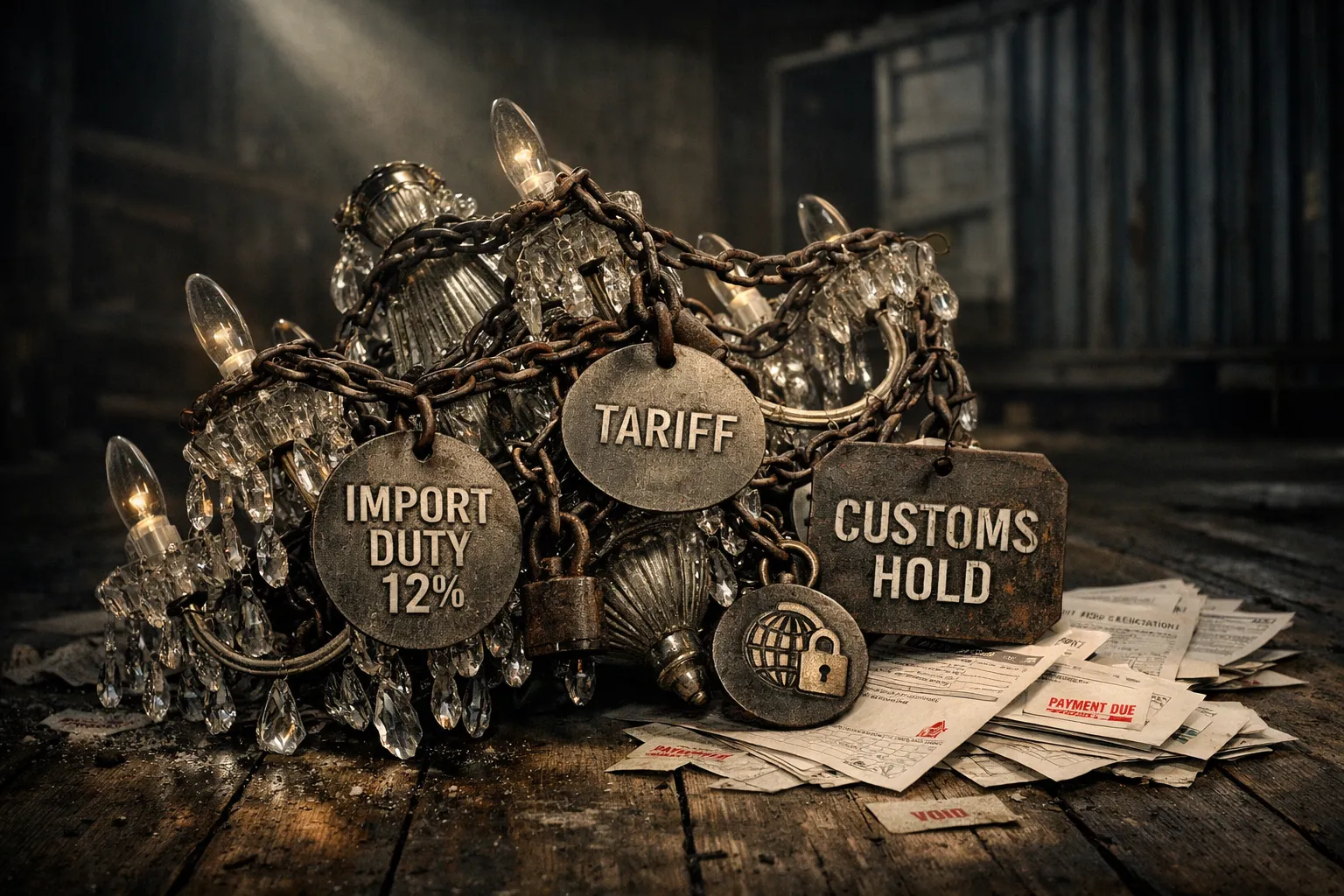
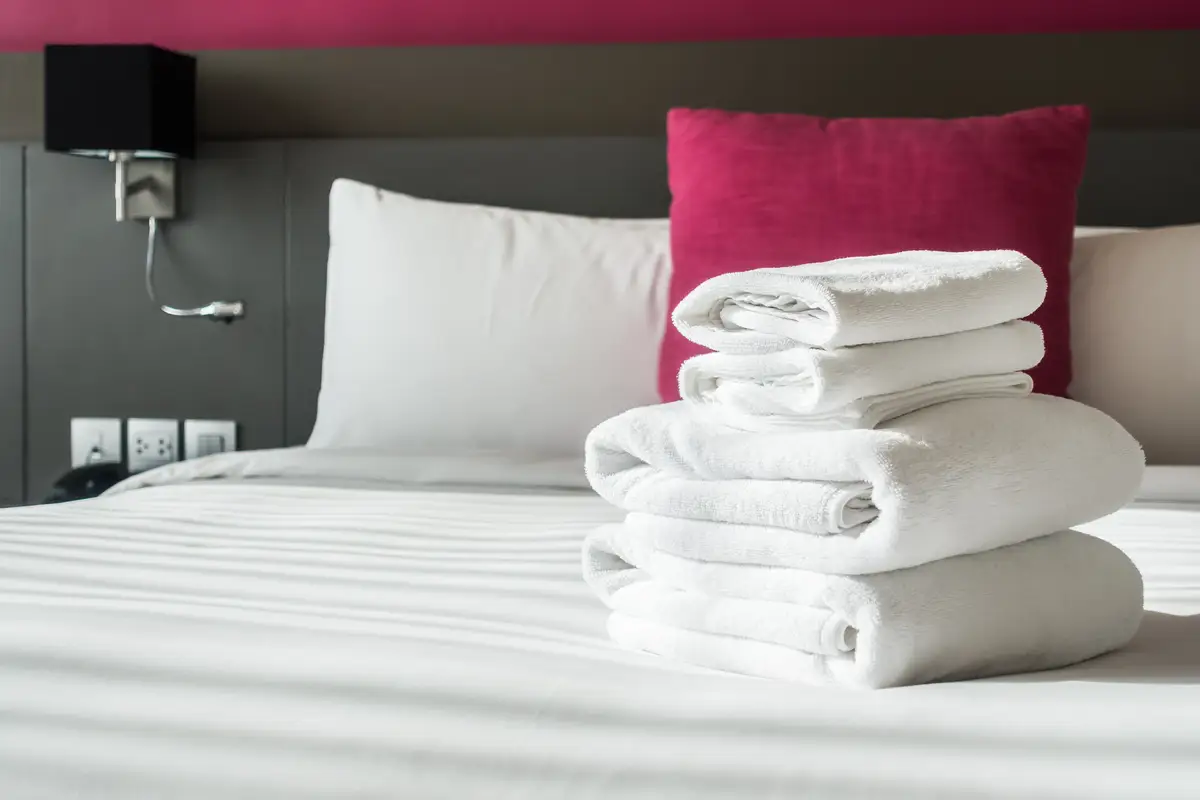
In the hospitality industry, guest comfort often begins with small but important details. The softness of a towel, the crisp feel of bed linens, and the professional appearance of staff uniforms all contribute to a hotel’s brand image. However, behind these details lies a major operational expense known as Hotel Textile relief Costs.
Many hotel operators underestimate how frequently textiles need replacement. Towels, bedding, and uniforms experience constant use, repeated washing, and exposure to strong detergents during hotel laundry operations. Over time, this leads to fabric degradation, color fading, and structural damage. For hotel owners and procurement teams, managing Hotel Textile relief Costs is not simply about buying cheaper products. The real solution lies in understanding textile durability, lifecycle costs, and strategic sourcing within hospitality procurement.
Why Textile Replacement Is a Major Cost in Hospitality
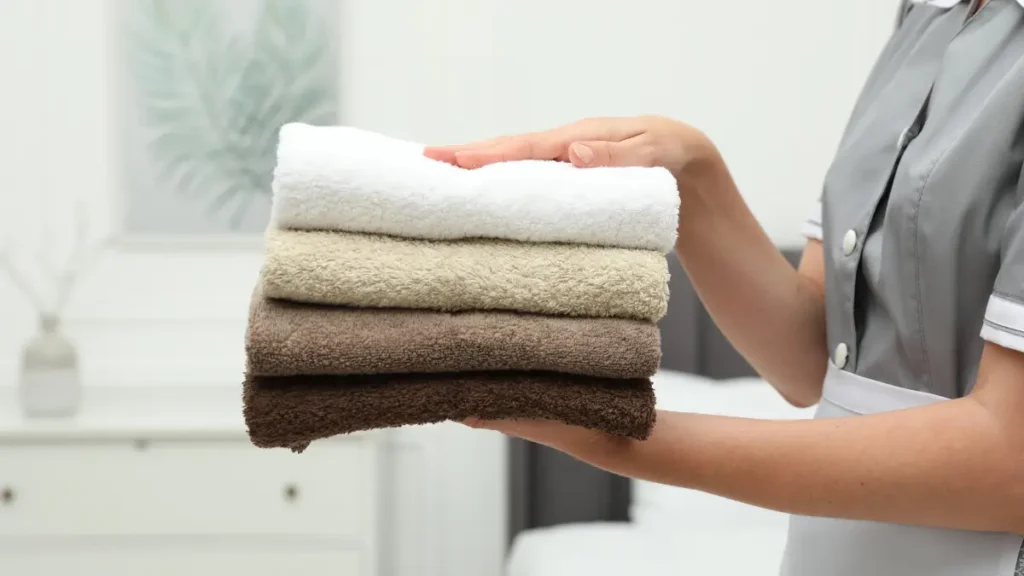
Textiles are among the most heavily used operational items in hotels. A typical hotel property must maintain a large textile inventory to ensure continuous availability for guests and staff.
For example, many hotels operate with:
- 3–5 linen sets per room
- Multiple towels per guest stay
- Staff uniforms for each department
- Daily laundering cycles
Because these textiles undergo intensive washing and drying cycles, their lifespan depends greatly on manufacturing quality and durability.
Industry reports suggest that hospitality textiles can represent 8–12% of total procurement spending in many hotels. For large properties, this may translate into tens or even hundreds of thousands of dollars annually. Managing Hotel Textile relief Cost-effectiveness, therefore, becomes a key operational priority.
Key Statistics About Hotel Textile Usage
Understanding usage patterns helps hospitality leaders make better procurement decisions.
Bed Linen Replacement Cycles
Research from hospitality operations studies indicates that:
- Luxury hotels replace bed linens every 18–24 months
- Mid-range hotels replace them every 12–18 months
- Poor-quality linens may require replacement every 6–12 months
This difference demonstrates how textile durability directly influences Hotel Textile relief Costs.
Towel Lifespan in Hotel Laundry Operations
Towels experience the most aggressive wear among all hotel textiles.
Laundry operations reports show that:
- Standard hotel towels withstand 150–200 wash cycles
- Low-quality towels degrade after 60–80 washes
- Premium hospitality towels can survive 250+ wash cycles
This means that investing in higher-quality towels can significantly reduce long-term textile replacement expenses.
Staff Uniform Replacement
Uniforms also represent a significant portion of hospitality procurement budgets.
Typical replacement cycles include:
- 6–12 months for standard uniforms
- 18–24 months for durable fabrics
Large hotels may replace hundreds of uniforms each year, making durability a key factor in controlling Hotel Textile relief Costs.
Financial Impact: A Hotel Textile Example
Consider a 200-room hotel property.
Its textile inventory might include:
- 1,200 bath towels
- 800 hand towels
- 600 face towels
- 1,000 bedsheets
- 800 pillowcases
- 400 staff uniforms
If textiles are replaced every year due to low durability, the property may spend $80,000–$120,000 annually on replacements.
However, if higher-quality hospitality textiles extend lifespan by 50–70%, replacement costs could drop dramatically. Over five years, these savings can exceed hundreds of thousands of dollars.
Why Hotels Face High Textile Replacement Costs
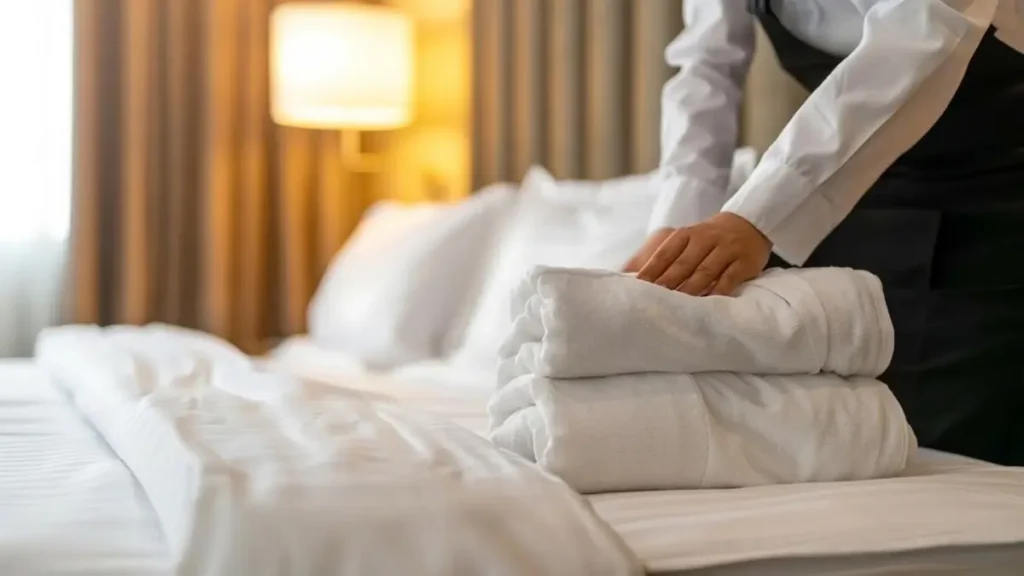
Many hospitality businesses unintentionally increase their textile expenses because procurement decisions focus only on purchase price.
Several operational factors contribute to rising Hotel Textile relief Costs.
Low-Durability Manufacturing
Some textile suppliers prioritize low production costs rather than durability.
Common issues include:
- Weak stitching
- Thin fabric construction
- Low GSM towel density
- Poor dye retention
These defects cause textiles to deteriorate quickly during hotel laundry operations.
Inconsistent Supplier Quality
Hotels that frequently change suppliers often face variations in textile quality.
Differences may appear in:
- Fabric composition
- Thread count
- Towel absorbency
- Color consistency
These inconsistencies accelerate textile wear and increase replacement frequency.
Harsh Laundry Conditions
Industrial hotel laundry operations involve:
- High-temperature washing
- Strong chemical detergents
- Continuous drying cycles
Textiles not designed for hospitality-grade laundering degrade rapidly under these conditions.
Procurement Based Only on Price
Some procurement teams select textiles based solely on unit cost rather than lifecycle value.
However, a towel that costs slightly more but lasts twice as long will reduce Hotel Textile relief Costs significantly.
Strategies to Reduce Hotel Textile Relief Costs
Hospitality industry research highlights several strategies that hotels can implement to reduce textile expenses.
Focus on Lifecycle Value
Instead of evaluating textiles based on purchase price, procurement teams should consider:
- Wash durability
- Fabric density
- Stitching quality
- Cost per wash cycle
A slightly higher purchase price can often produce substantial long-term savings.
Standardize Textile Specifications
Hotels that standardize textile specifications achieve:
- consistent product quality
- easier procurement management
- simplified inventory control
Typical specifications include:
- GSM standards for towels
- thread count requirements for linens
- durable fabric blends for uniforms
Standardization improves performance and reduces replacement frequency.
Work With Reliable Supply Partners
Long-term supplier relationships help hotels maintain consistent quality.
Trusted sourcing partners can provide:
- verified manufacturing standards
- reliable inventory supply
- transparent cost structures
- scalable production capacity
Strategic partnerships strengthen hospitality procurement processes and reduce sourcing risks.
Data Insight: Towel vs Linen Replacement Economics
Operational studies show that towel replacement often represents the highest textile expense.
| Textile Type | Average Wash Cycles | Replacement Frequency |
| Standard Towels | 80–120 washes | 6–12 months |
| Premium Towels | 200–250 washes | 18–24 months |
| Standard Bed Linen | 150 washes | 12–18 months |
| Hospitality-grade Linen | 300 washes | 24–36 months |
These numbers clearly illustrate how textile durability affects Hotel Textile relief Costs.
The hospitality industry is evolving rapidly, and textile procurement strategies are changing accordingly.

Sustainability and Longevity
Hotels increasingly choose hospitality textiles designed to last longer and reduce waste.
Durable textiles support sustainability initiatives by lowering replacement frequency and environmental impact.
Premium Guest Experience
Luxury hotels prioritize textiles that enhance comfort, including:
- soft, high-absorbency towels
- crisp and durable bed linens
- well-tailored staff uniforms
These details play an important role in shaping guest satisfaction.
Supply Chain Reliability
Hotels now prefer suppliers who offer:
- consistent manufacturing quality
- predictable delivery schedules
- scalable production capacity
Reliable sourcing ensures stable inventory across properties.
Key Takeaways for Hotel Procurement Leaders
Industry research consistently shows that textile sourcing decisions influence long-term operational efficiency.
Hotels that optimize textile procurement benefit from:
- lower replacement frequency
- improved budget control
- stronger brand consistency
- higher guest satisfaction
Managing Hotel Textile relief Costs therefore requires a strategic approach that prioritizes durability, reliability, and supplier partnerships.
Conclusion
Textiles are an essential element of the hospitality experience. Towels, bed linens, and staff uniforms contribute directly to guest comfort and brand perception. However, they also represent a significant operational expense when replacement cycles are not properly managed. By focusing on durable hospitality textiles, optimizing hotel laundry operations, and implementing smarter hospitality procurement strategies, hotels can significantly reduce Hotel Textile relief Costs. In a competitive hospitality market, investing in high-quality textiles is not just about improving guest experience—it is a strategic decision that protects long-term profitability.
FAQs
Hotel Textile relief Costs refer to the expenses associated with replacing towels, bed linens, and staff uniforms due to wear, laundering, and operational use.
Frequent washing, chemical exposure, and heavy guest usage cause hospitality textiles to deteriorate over time.
Hotels can reduce costs by sourcing durable textiles, standardizing procurement specifications, and optimizing hotel laundry operations.
Towels undergo more frequent washing cycles, making them more susceptible to wear and tear.
Strategic hospitality procurement ensures durable materials, reliable suppliers, and long-lasting textile products that reduce replacement frequency.