Introduction: Why Hotel Linen Replacement Costs Keep Rising
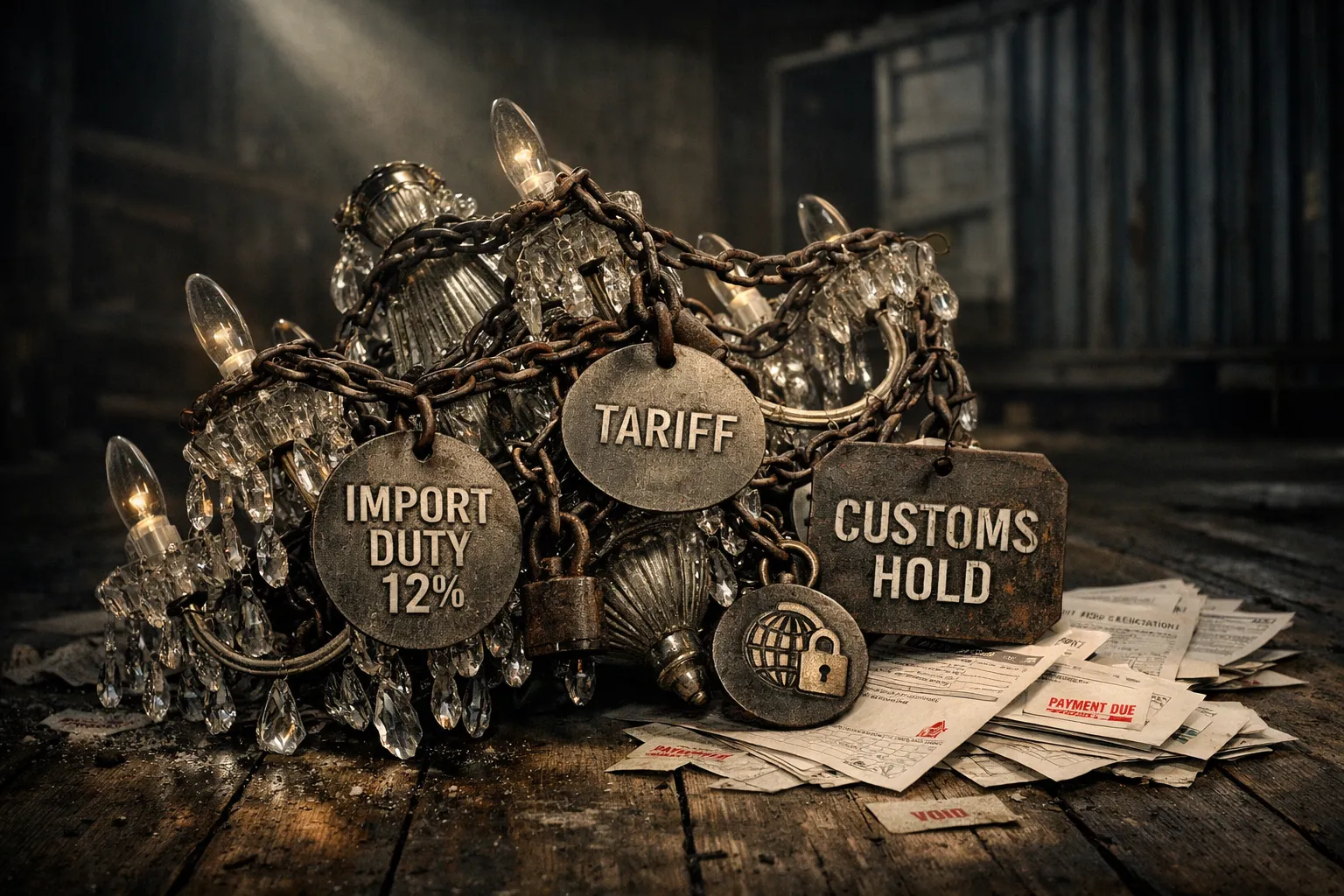
Hotel linen replacement costs are one of the most overlooked expenses in luxury hospitality, yet they directly affect profitability, operational efficiency, and ultimately the guest experience. Many hotels attribute rising replacement budgets to high occupancy or heavy usage. In reality, shortened linen lifecycles are often the result of weak compliance systems, inconsistent procurement standards, and reactive hotel linen management practices.
When linens wear out faster than expected, the impact extends beyond finance—it touches brand perception and guest satisfaction. Towels that thin prematurely or bedding that loses texture can quietly weaken a hotel’s luxury positioning.
The solution is not simply buying more durable fabrics. It is building a compliance-first framework that protects lifecycle performance from sourcing to laundry operations.
Why Linen Replacement Costs Matter More Than You Think
At first glance, replacement costs appear as a housekeeping line item. But their influence is broader.
High hotel linen replacement costs affect:
• Operating margins
• Cash flow predictability
• Inventory planning
• Procurement cycles
• Brand consistency
Frequent replacement leads to:
• Emergency reorders
• Increased freight expenses
• Operational disruptions
• Inconsistent product batches
The Hidden Link Between Linen Quality and Guest Experience
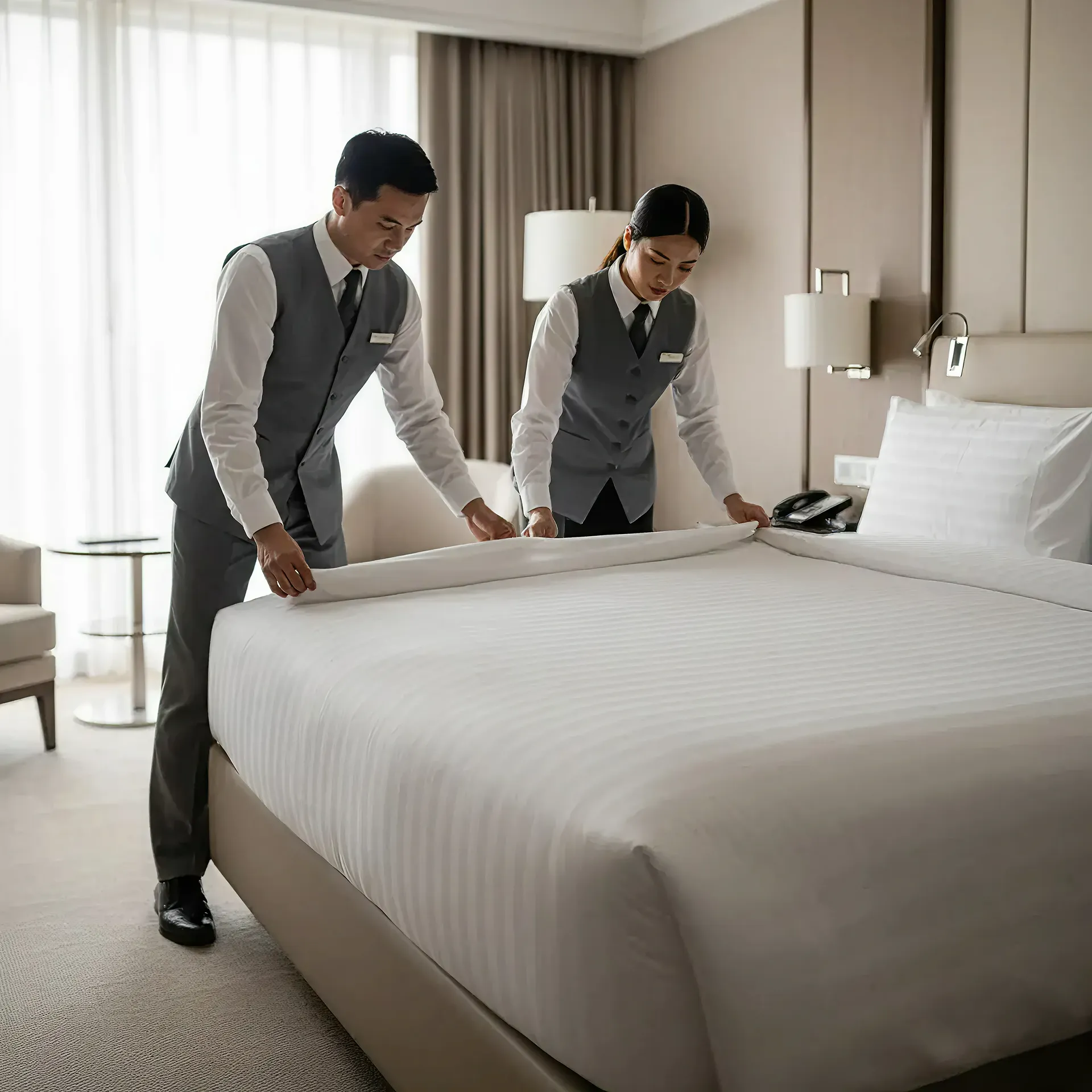
Luxury hotels compete on experience, not just facilities.
Guests may not consciously analyze thread count, but they immediately feel:
• Towel absorbency
• Bedding softness
• Uniform presentation
• Fabric durability
If linen quality declines, the guest experience suffers—even when service remains strong.
Guest satisfaction scores often reflect subtle comfort indicators. When linens degrade prematurely, reviews mention “less comfortable stays” or “declining standards.”
Linen durability is therefore not just an operational issue. It is a brand experience issue.
The Root Cause: Weak Compliance in Procurement
Rising hotel linen replacement costs usually originate upstream—in procurement.
A strong procurement compliance process ensures:
• Consistent fabric specifications
• Verified GSM standards
• Durability testing before shipment
• Colourfastness and shrinkage validation
• Supplier performance audits
Without these safeguards, batch variation becomes inevitable. Small inconsistencies accumulate until lifecycle performance drops significantly.
Compliance-driven procurement prevents lifecycle decline before it begins.
What Compliance-Driven Hotel Linen Management Looks Like
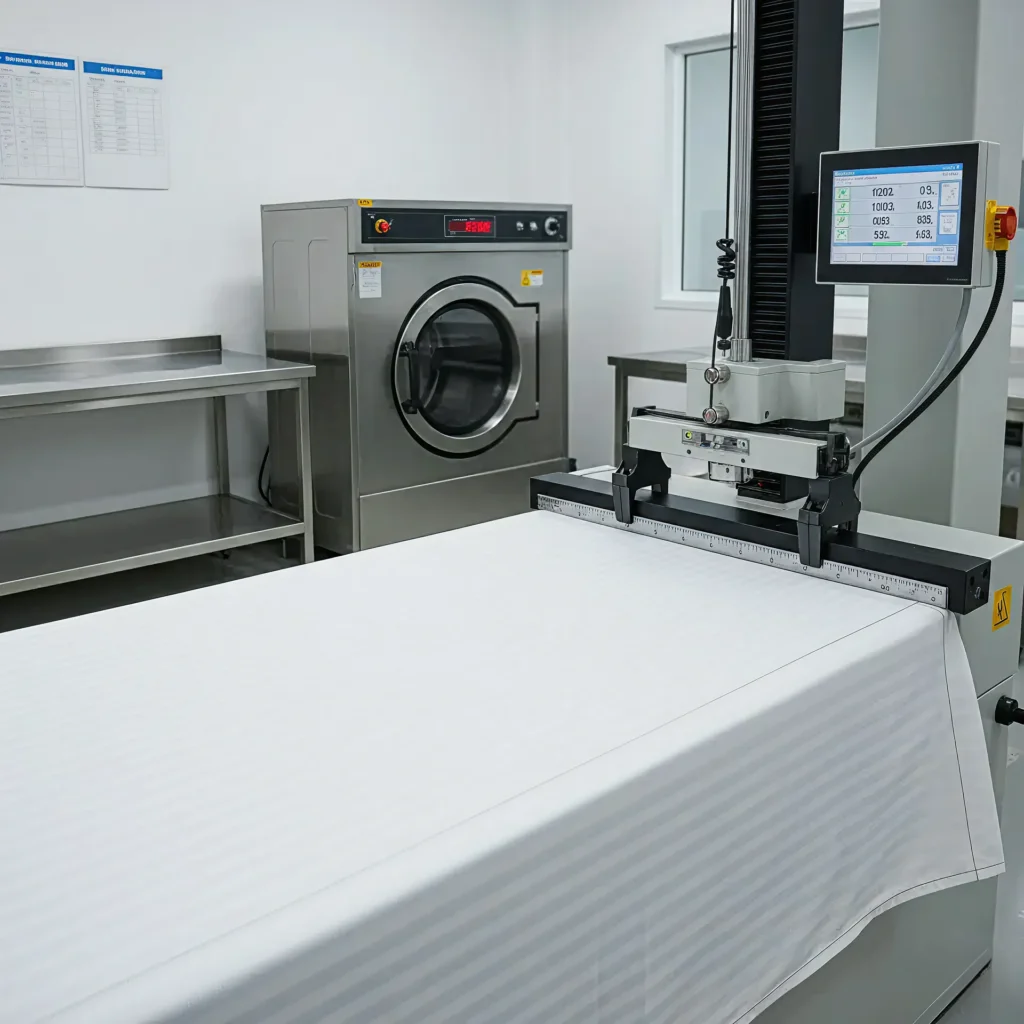
Effective hotel linen management goes beyond inventory tracking. It integrates compliance across sourcing, storage, usage, and laundering.
Key components include:
• Centralized product specifications
• Pre-shipment fabric testing
• Documented supplier quality standards
• Structured batch tracking
• Regular performance reviews
Hotels that adopt compliance-first systems extend linen lifespan by improving consistency at every stage.
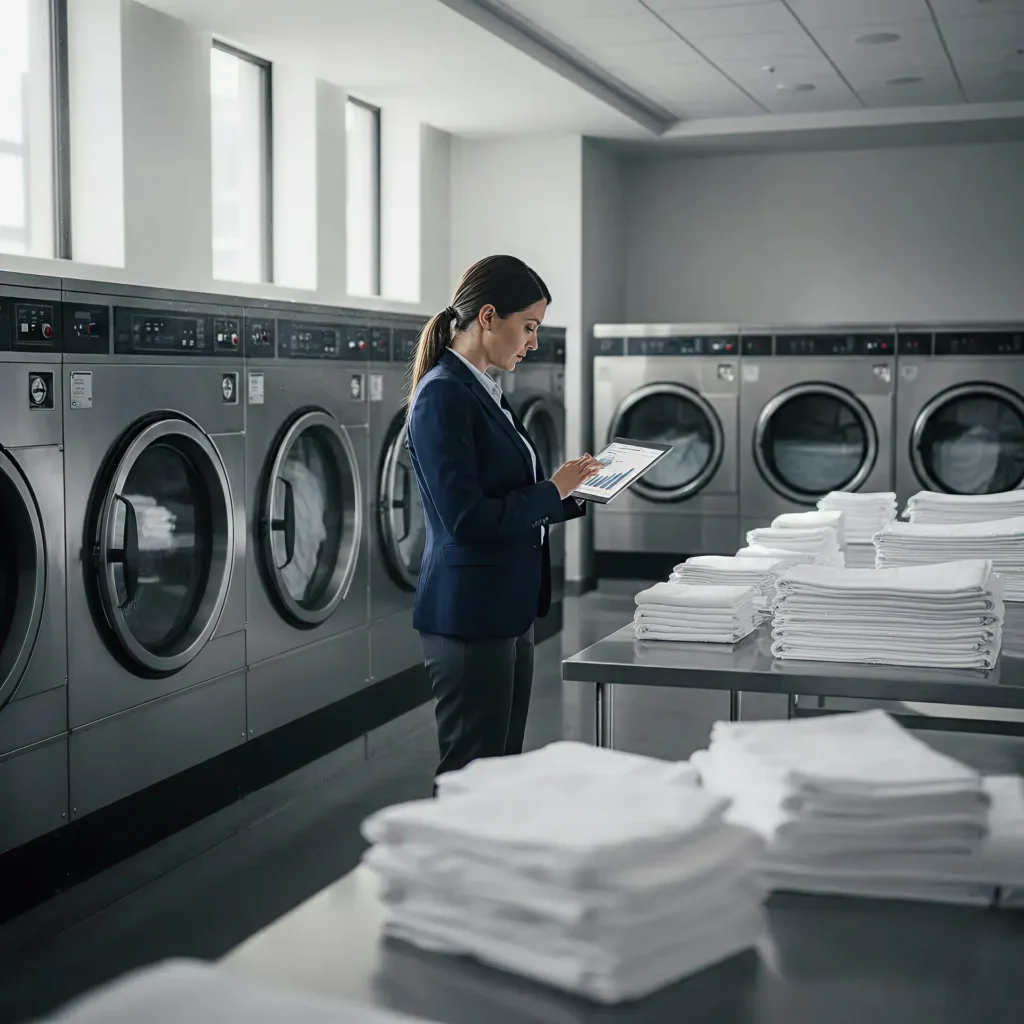
Laundry Operations: The Overlooked Cost Driver
Procurement is only one part of the equation.
Hotel laundry management directly impacts lifespan.
Common mistakes that increase hotel linen replacement costs:
• Excessive drying temperatures
• Overuse of harsh chemicals
• Inconsistent wash cycles
• Improper load balancing
• Inadequate staff training
Even high-quality luxury hotel linens degrade quickly under improper handling.
Standardized laundry protocols, aligned with fabric specifications, significantly extend lifecycle performance.
Inventory Optimization and Lifecycle Tracking

Modern linen strategy requires structured linen lifecycle management.
This includes:
• Tracking average wash counts
• Identifying wear patterns
• Forecasting replacement timing
• Aligning par levels with occupancy
Without lifecycle tracking, hotels operate reactively. Reactive purchasing increases cost volatility and reduces control.
Proactive lifecycle monitoring stabilizes hotel linen replacement costs over time.
Financial Impact: Reactive vs Compliance-First Strategy
| Reactive Model | Compliance-First Model |
| Frequent emergency reorders | Planned lifecycle replacement |
| Inconsistent supplier batches | Standardized specifications |
| Higher long-term cost | Lower total cost of ownership |
| Guest comfort variability | Stable guest experience |
| Margin erosion | Margin protection |
A modest 15–20% improvement in average linen lifespan can reduce annual replacement expenses significantly.
How Linen Strategy Impacts Guest Satisfaction

Guest satisfaction is influenced by consistency.
When towels feel different across stays or bedding loses quality faster than expected, guests perceive decline—even if service remains excellent.
Consistency signals professionalism and care.
By stabilizing hotel linen management systems, hotels protect:
• Comfort standards
• Brand positioning
• Repeat booking rates
• Online review sentiment
In luxury hospitality, small comfort details determine loyalty.
Why Multi-Property Hotels Face Greater Risk
Scaling amplifies inconsistency.
Without centralized compliance standards:
• Properties interpret specifications differently
• Suppliers vary across regions
• Replacement cycles fluctuate
• Guest expectations fragment
Centralized compliance ensures:
• Uniform linen performance
• Consistent guest experience
• Predictable replacement schedules
• Controlled operational costs
Standardization becomes a growth enabler.
Steps to Reduce Hotel Linen Replacement Costs
Luxury hotels seeking long-term stability should:
• Define detailed fabric specifications
• Audit suppliers regularly
• Implement pre-shipment testing
• Track wash counts and wear patterns
• Standardize laundry protocols
• Train housekeeping teams
• Monitor lifecycle performance quarterly
These steps transform linen management from reactive spending to strategic control.
Sustainability and Compliance Alignment
Reducing hotel linen replacement costs also supports sustainability goals.
Extended product lifespan:
• Reduces textile waste
• Lowers carbon footprint
• Improves ESG reporting
• Strengthens corporate responsibility narratives
Compliance-first strategies align financial and environmental objectives simultaneously.
The Bigger Picture: Protecting Brand Through Process
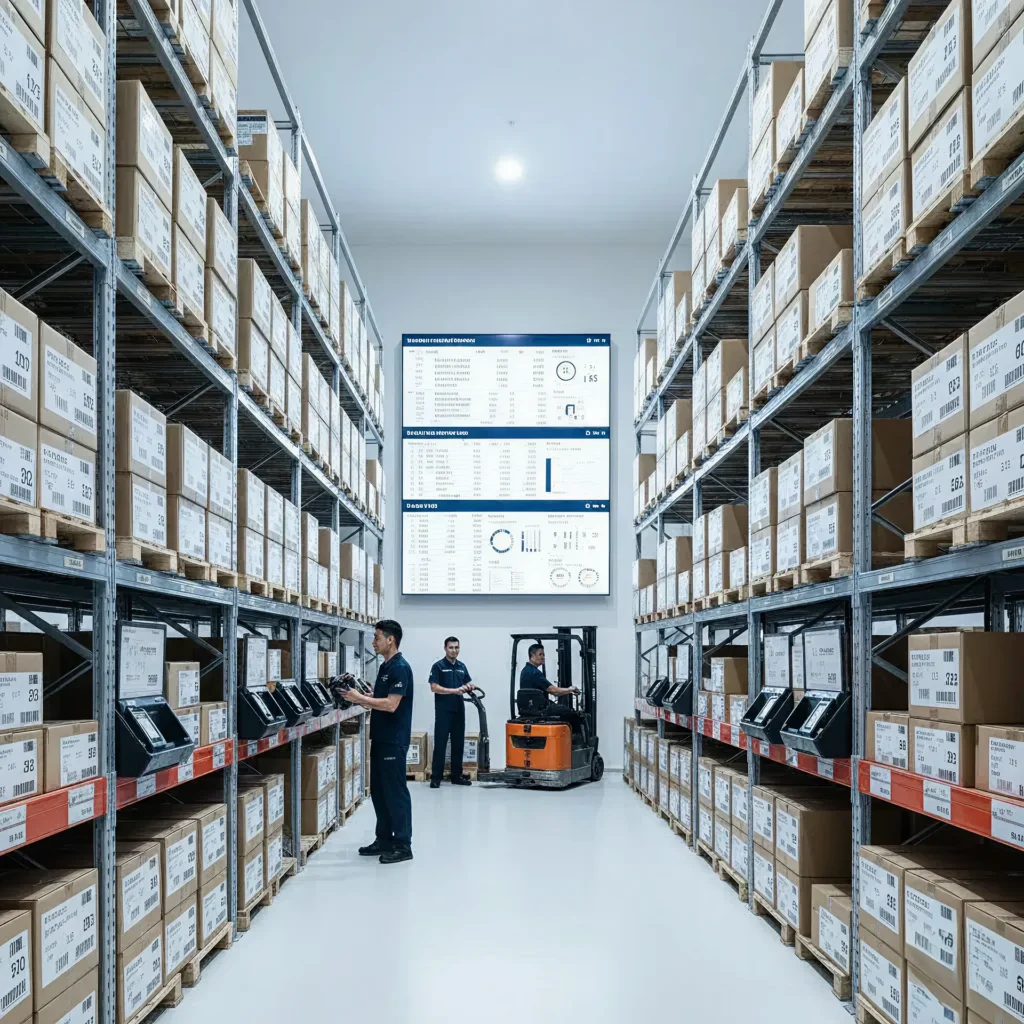
Luxury hotels differentiate through consistency.
Consistency depends on process discipline.
When hotel linen replacement costs are controlled through structured compliance, the brand benefits from:
• Stable comfort standards
• Reduced operational disruption
• Improved guest satisfaction
• Stronger financial performance
Process stability quietly protects reputation.
Conclusion
Hotel linen replacement costs are not simply an expense category—they are a reflection of procurement discipline, operational control, and lifecycle management. By implementing compliance-driven hotel linen management systems and standardized laundry protocols, luxury hotels protect both profitability and guest experience. In hospitality, durability is not just about fabric—it is about long-term brand trust.
FAQ
Weak procurement compliance, poor lifecycle tracking, inconsistent laundry processes, and batch variation.
Linen quality directly influences comfort perception, which shapes guest experience and repeat bookings.
It combines compliance-driven procurement, lifecycle tracking, inventory optimization, and standardized laundry operations.