
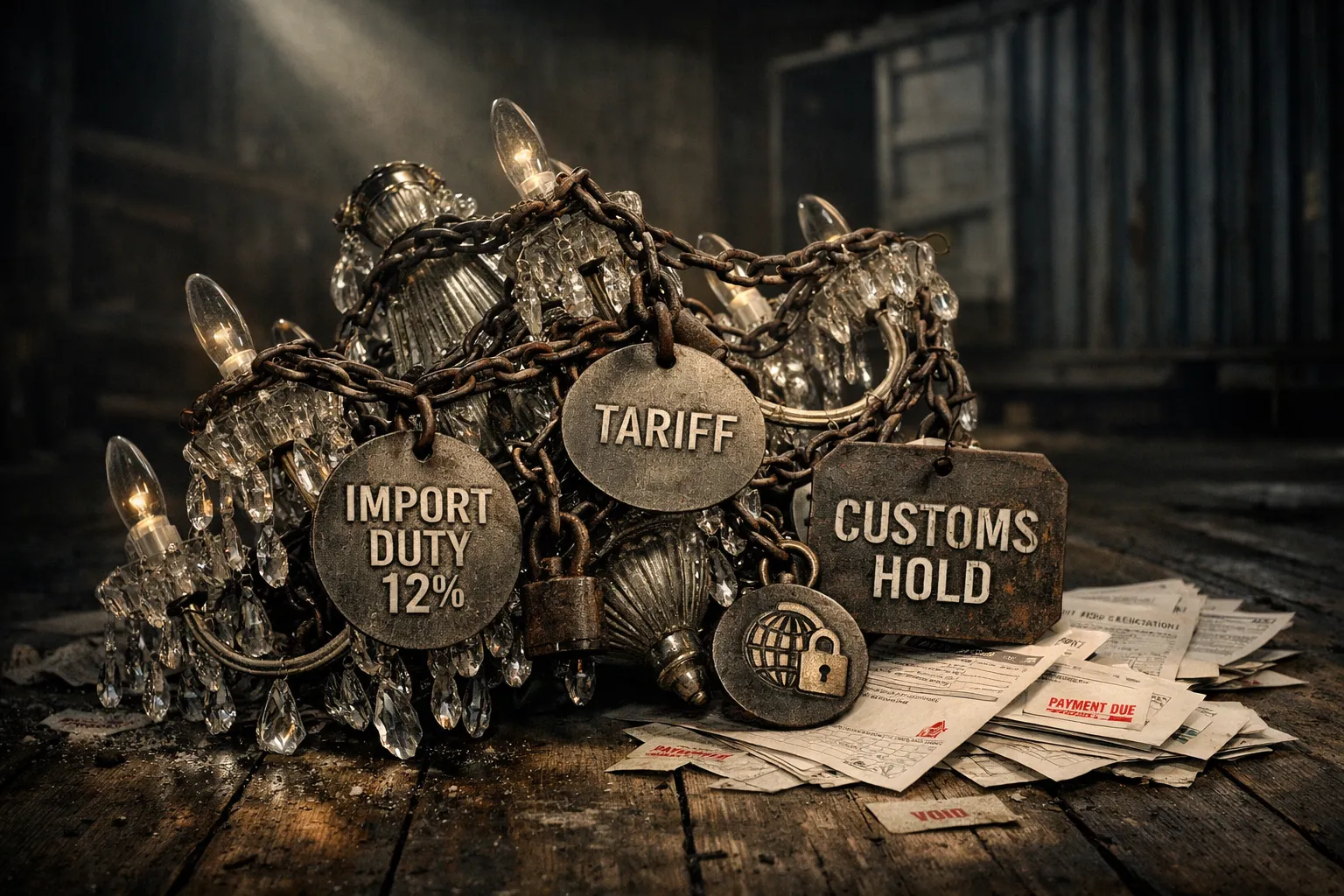
In today’s global hospitality market, hotels frequently source products from international suppliers to maintain quality, brand consistency, and competitive pricing. From luxury linens and guest amenities to furniture and kitchen equipment, global sourcing has become a key part of modern hospitality procurement. However, many procurement teams overlook one important factor when evaluating supplier quotations: hotel import duties.
While international suppliers may offer attractive prices, the final procurement cost often includes additional expenses such as customs fees, taxes, documentation requirements, and regulatory compliance. Ignoring these costs can lead to unexpected financial pressure and supply chain disruptions. Understanding how hotel import duties and other regulatory charges affect procurement decisions helps hotels avoid hidden costs and build more reliable sourcing strategies.
Why Hotels Source Products Internationally

Global sourcing offers several advantages for hotels and resorts.
Hotels often import products because they can:
- Access specialized suppliers and premium materials
- Reduce manufacturing costs
- Customize products for brand identity
- Maintain consistent standards across multiple properties
For example, luxury hotels may source:
- eco-friendly guest amenities
- high-quality linens and towels
- decorative furniture and interior items
- professional kitchen equipment
However, while international sourcing can improve product quality and pricing, hotels must carefully consider import duty and regulatory compliance before finalizing procurement decisions.
Expectation vs Reality in International Hotel Procurement

Many procurement teams assume that the supplier’s quoted price represents the total cost of purchasing goods.
In reality, this assumption often leads to budgeting mistakes.
Expectation: Supplier Price Reflects the Total Cost
When reviewing supplier quotations, procurement teams typically compare unit prices.
A supplier offering lower prices may appear to be the most cost-effective option.
This creates the expectation that global sourcing will reduce procurement expenses.
Reality: Import Duties and Taxes Increase Costs
The supplier price rarely represents the final cost of procurement.
Once shipments arrive in the destination country, additional expenses may include:
- import duty
- customs clearance fees
- local taxes and surcharges
- port handling charges
- inspection and compliance fees
When these costs are not calculated in advance, the total landed cost of procurement can increase by 20–35 percent.
For hotels operating multiple properties, this difference can significantly impact budgets.
Understanding the Role of Hotel Import Duties

Hotel import duties are taxes imposed by governments on products entering a country.
The amount charged depends on factors such as:
- product classification (HS code)
- country of origin
- local trade regulations
- product category
For example, imported textiles, furniture, or hospitality equipment may have different duty rates depending on the country. Without proper planning, hotels may face unexpected import charges that disrupt procurement budgets.
Customs Compliance Challenges in Hospitality Procurement

Another common misconception in international sourcing is that customs clearance is simple.
Expectation: Customs Clearance Is Routine
Many hotels assume logistics providers will automatically handle customs procedures once goods arrive at the port.
However, customs compliance often requires precise documentation and regulatory accuracy.
Reality: Customs Compliance Requires Expertise
Common issues that delay shipments include:
- incorrect HS code classification
- incomplete documentation
- missing certifications
- mismatched shipping invoices
When these errors occur, shipments may face:
- customs inspections
- additional testing requirements
- penalties or fines
- temporary holds at the port
For hotels preparing for peak seasons or property openings, these delays can create operational challenges.
Delivery Delays and Operational Risks
International shipments pass through several stages before reaching hotel properties.
These stages typically include:
- manufacturing and packaging
- export documentation
- international shipping
- customs clearance
- domestic transportation
A delay at any stage can disrupt procurement schedules.
Hotels often depend on timely deliveries for essential items such as
- room amenities
- textiles and linens
- restaurant supplies
- cleaning products
If shipments arrive late, hotels may need to purchase replacements locally at higher prices.
Financial Impact of Ignoring Import Duties
Unexpected hotel import duties can create financial pressure in several ways.
Budget Disruptions
Unexpected taxes and fees increase procurement costs and affect financial planning.
Emergency Procurement
Delayed shipments may force hotels to buy products locally at premium prices.
Operational Interruptions
Essential items arriving late may disrupt room preparation or guest services.
Brand Consistency Risks Hotels rely on consistent product quality across properties. Supply delays can affect brand standards.
How Hotels Can Avoid Hidden Import Costs
Hotels can reduce risks associated with international sourcing by adopting structured procurement strategies.
1. Calculate the Total Landed Cost
Instead of focusing only on product price, procurement teams should calculate the full cost of importing goods.
This includes:
- product price
- freight charges
- import duty
- customs clearance fees
- taxes and handling charges
Understanding total landed cost allows hotels to make better sourcing decisions.
2. Work With Suppliers Experienced in International Trade
Suppliers familiar with international hotel procurement can help ensure:
- accurate documentation
- correct product classification
- compliance with import regulations
- smoother customs clearance
This reduces delays and unexpected costs.
3. Plan Procurement Timelines Carefully
Hotels should build buffer time into procurement schedules.
Strategic planning is especially important when sourcing products for:
- peak tourism seasons
- hotel openings
- renovation projects
- large hospitality events
Early planning helps mitigate delays caused by customs or shipping disruptions.
4. Verify Product Certifications
Some hospitality products require certifications before importation.
Examples include:
- sustainability certifications
- hygiene and safety standards
- textile quality certifications
- food-contact compliance
Ensuring documentation is prepared in advance prevents customs holds.
5. Build Long-Term Supplier Partnerships
Hotels that maintain long-term relationships with trusted suppliers experience fewer supply chain disruptions.
Reliable suppliers understand:
- hotel brand standards
- compliance requirements
- procurement timelines
Strong partnerships simplify hotel supply chain management.
The Role of Merchant Exporters in Hospitality Sourcing
Many hotels rely on merchant exporters to simplify global sourcing.
Merchant exporters help hotels by:
- identifying reliable manufacturers
- managing export documentation
- coordinating logistics
- ensuring product compliance
- reducing sourcing risks
By acting as intermediaries between manufacturers and hotel buyers, merchant exporters make international procurement more predictable.
The Strategic Importance of Compliance in Hotel Procurement

International sourcing offers significant benefits, but it requires careful planning.
Hotels that understand hotel import duties and compliance requirements can:
- control procurement costs
- reduce supply chain risks
- maintain consistent product quality
- protect brand reputation
A well-managed supply chain becomes a competitive advantage in the hospitality industry.
Conclusion
International sourcing can help hotels access high-quality products and competitive pricing. However, ignoring hotel import duties and compliance requirements can lead to hidden costs, shipment delays, and operational disruptions. Hotels that evaluate total landed cost, plan procurement timelines carefully, and work with experienced sourcing partners can reduce risks and maintain supply chain stability. In the hospitality industry, effective procurement planning ensures both financial efficiency and consistent guest experiences.
FAQs
Hotel import duties are taxes charged by governments on products imported for hotel use, such as linens, furniture, or amenities.
Import duty, customs fees, and compliance requirements add additional expenses beyond the supplier’s product price.
Hotels can calculate total landed costs, verify product classifications, and work with experienced suppliers or export partners.
Proper compliance prevents customs delays, penalties, and unexpected supply chain disruptions.